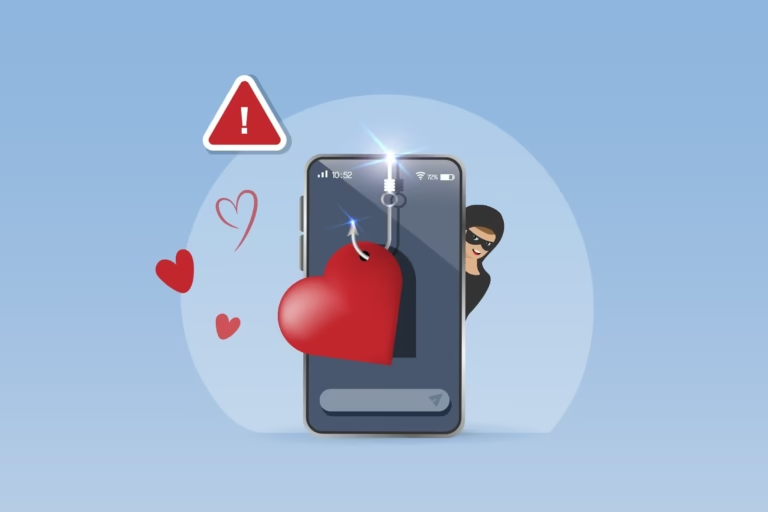
An investment scam is a fraudulent scheme where scammers trick people into putting money into fake or misleading investment opportunities, often promising high returns with little or no risk. The goal is to steal the victim’s money, either by disappearing with it or using it to perpetuate the scam.
How Investment Scams Work
- Lure: Scammers advertise “exclusive” opportunities—think crypto, real estate, or startups—promising guaranteed or outsized returns (e.g., “300% in six months”).
- Pressure: They create urgency (“offer ends tonight!”) to rush decisions, discouraging research.
- Facade: Fake websites, apps, or documents show “profits” to build trust. Ponzi schemes may pay early investors with new victims’ money.
- Theft: Once funds are sent (often via wire transfers or crypto), the scammer vanishes. Websites go offline, and contact numbers disconnect.
Common Types
- Ponzi/Pyramid Schemes: Pay early investors with new investors’ money, collapsing when new funds dry up.
- Crypto Scams: Fake tokens or exchanges, often hyped on social media.
- Pump-and-Dump: Scammers inflate stock or crypto prices, then sell, leaving victims with worthless assets.
- Fake Trading Platforms: Bogus apps show fake gains to lure more deposits.
Red Flags
- Guaranteed high returns: Legit investments always carry risk.
- Unregulated platforms: Not registered with bodies like the SEC or FINRA.
- Vague details: No clear explanation of how profits are generated.
- Pushy tactics: Pressure to act fast or “miss out.”
- Untraceable operators: No verifiable company address or credentials.
Real-World Impact (2024 FTC Data)
- $3.7 billion lost to investment scams in the U.S. alone.
- 45% rise in crypto-related scams year-over-year.
- Average loss per victim: ~$10,000.
How to Protect Yourself
- Research: Check the company on SEC.gov, FINRA’s BrokerCheck, or Google “[company name] scam.”
- Verify: Ensure the platform is regulated by authorities like the SEC or CFTC.
- Avoid urgency: Legit investments don’t vanish overnight.
- Use secure payment methods: Avoid wire transfers or crypto payments to strangers.
- Report: If scammed, report to lumorec or your local regulator.